 Founded in 1986
 Locally Owned
 Jeweler-led guidance

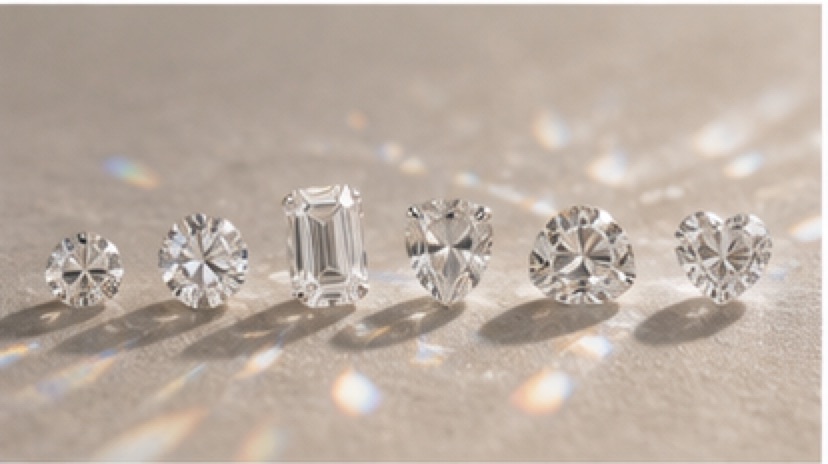
Shape is the outline you see first, such as round, oval, emerald, pear, or cushion. Cut describes how well a diamond's facets, proportions, and finish handle light. Both matter, but they answer different questions.
Quick answer: diamond shape vs diamond cut
Diamond shape is the stone's outline and style language. Diamond cut is a quality factor that affects light performance. Shape changes the look of the ring; cut changes how the diamond returns light within that shape.
A useful guide to diamond shape vs cut should do more than define jewelry terms. It should help you see which choices affect the finished ring, which details are mainly personal preference, and which questions deserve jeweler review before you commit.
That matters because engagement ring shopping can feel precise and emotional at the same time. A diamond report, saved photo, metal preference, family stone, or timing concern may each be useful, but none of them tells the whole story by itself.
Who this guide is for
This guide is for anyone who has heard shape and cut used as if they mean the same thing. They do not. Mixing them up can make it harder to compare stones or ask a jeweler the right question.
It is also for the person who has already done some searching and feels less certain than when they started. More examples can help, but they can also blur together unless you know what you are comparing.
Use the guide as a planning worksheet. Mark the parts that fit, cross out what does not, and bring the remaining questions into the design plan so the jeweler can respond to your actual situation.
The first decisions to sort
Start by separating the visual question from the performance question. Shape asks, what outline and mood does the wearer like? Cut asks, how well does this stone handle light within its shape and proportions?
You do not have to settle every decision before asking for help. In fact, the best first step is often to name the decisions you are unsure about so the consultation does not start with assumptions.
These are the details worth writing down before you compare rings, stones, or settings:
- Which outline fits the wearer's style?
- How does that shape affect setting options?
- How important is brightness, fire, or mirror-like reflection?
- Will the shape make clarity or color more noticeable?
- Does the setting support the shape safely and comfortably?
What to pay attention to
Round, oval, emerald, radiant, pear, cushion, marquise, and princess shapes all carry different style signals. Some feel classic, some elongated, some architectural, and some more distinctive.
Try to separate the look you like from the practical reason it works. A ring can look beautiful in a photo and still raise questions about height, care, wedding band fit, stone security, documentation, or how the wearer uses their hands.
When you notice that difference, you are no longer just browsing. You are building a better question for the jeweler.
- Round shapes often offer broad setting flexibility.
- Oval and marquise shapes can create an elongated look.
- Emerald cuts show step-cut reflections rather than brilliant sparkle.
- Pear shapes need careful orientation and setting review.
- Cushion and radiant shapes can vary widely in proportion and appearance.
The tradeoffs behind the choice
The tradeoff is that shape preferences can affect how cut, color, clarity, and carat weight show up. A well-cut stone in a shape the wearer does not like is still the wrong ring. A favorite shape with poor visual performance also deserves review.
This is where a calm comparison helps. Instead of asking which option is best in general, ask which option best fits the wearer, the stone path, the setting, the budget comfort, and the way the ring will be worn.
Ask to compare shape and cut together. That keeps the conversation focused on the finished ring rather than one chart or one photo.
What to put in the design plan
The Diamond Shoal design plan works best when you share observations instead of trying to sound technical. A saved photo, a note about what the wearer usually chooses, or a question about a stone is more useful than a paragraph full of borrowed jewelry terms.
In the design plan, choose the closest shape direction if you have one. If you are unsure, describe the effect you want: elongated, classic, clean lines, bold face-up look, soft edges, or a ring that feels low and easy to wear.
If a detail involves pricing, timing, policy, documentation, stone condition, appraisal use, inventory, or final production, treat it as a question for jeweler review rather than a promise. That keeps the process clear and protects the decision.
- Favorite shapes or shapes to avoid.
- A note about sparkle, clean lines, or size impression.
- Any concern about clarity visibility or color appearance.
- Preferred setting style for the shape.
- Whether you want help comparing stones in person.
Common mistakes to avoid
The biggest mistake is asking for the best cut while meaning the favorite shape, or asking for a shape without discussing how that specific stone performs.
Most mistakes come from locking onto one visible detail too early. The center stone matters, but the ring also has to work as a piece of jewelry that is worn, cleaned, insured, paired with a band, and looked at every day.
Before you decide, slow the choice down enough to check the following points:
- Using shape and cut as interchangeable terms.
- Choosing a shape only because it looks large in photos.
- Ignoring how the shape works with prongs, bezels, or halos.
- Treating carat weight as exact visible size.
- Assuming every stone within a shape looks the same.
When a jeweler should review the details
A jeweler should review any diamond where shape, proportions, light performance, clarity visibility, or setting fit is central to the decision. That review is especially useful for fancy shapes that vary widely from stone to stone.
A jeweler review is especially important when a choice affects stone selection, setting structure, documentation, durability, repairability, future band fit, or how a family piece may be used. Those details are hard to judge from a single photo.
That review is not meant to take the joy out of the decision. It is meant to help you understand what you are choosing before the ring becomes a real project.
How this connects to a custom ring
Custom design can protect the shape choice. The setting can frame the outline, manage height, support vulnerable points, and shape the way the stone sits beside a wedding band.
Custom design works best when it starts with a real person and a clear set of priorities. The design does not need to be unusual to be custom. It may simply need the right proportions, stone path, metal direction, setting height, or family detail.
If you are still unsure, the most useful next step is to send the design plan with the best information you have now. A Diamond Shoal jeweler can use that context to guide the next conversation.
A one-minute checklist before you choose
Before you treat the decision as final, pause long enough to check whether the ring still makes sense outside the perfect photo. Think about the hand that will wear it, the days it needs to get through, and the questions that would bother you later if they were never asked.
This quick check is not meant to slow the project down. It is meant to keep the most important details visible while the excitement is high. If one answer is not clear yet, that is a useful note for the jeweler rather than a reason to stop.
Use the checklist as a final sweep before your design plan or consultation. The right answer should feel understandable, not rushed.
- The choice fits the wearer's everyday style, not only a saved image.
- The stone, setting, and metal have been considered together.
- Daily wear, profile height, care, and future band fit have been discussed.
- Documentation, policy, timing, and pricing questions are marked for jeweler review.
- The next step is clear enough to move forward without pretending every detail is final.
Useful sources and next reading
Use outside education for background, then confirm your ring-specific questions with a jeweler. Public education can explain terms, but it cannot confirm the right stone, setting, price, timing, policy, or production path for your project.
- GIA diamond buying guideUseful background on the 4Cs and diamond buying questions.
- GIA engagement ring tipsHelpful consumer education for ring planning.
- FTC jewelry guidanceGuidance on careful diamond, gemstone, and jewelry claims.
- Start the Diamond Shoal design planShare your ring notes before a jeweler conversation.
Common questions
Is diamond shape the same as diamond cut?
No. Shape is the outline, such as round or oval. Cut is a quality factor related to proportions, facets, and light performance. The two ideas work together but mean different things.
Which diamond shape looks the largest?
Visible size depends on shape, proportions, carat weight, and setting. Elongated shapes can create a larger face-up impression, but a jeweler should review the specific stone rather than rely on a rule.
Does cut matter for every diamond shape?
Yes, but it shows differently by shape. A brilliant round, an oval, and an emerald cut do not return light the same way, so compare each stone within its own shape and design context.
Do I need to know every jewelry term before starting?
No. It is enough to share the wearer, saved inspiration, stone questions, budget comfort, timing notes, and what you want to avoid. A jeweler can translate those details into practical ring choices.
Is the design plan a final order?
No. The design plan is a planning step. Final design, pricing, timing, policy, documentation, and production details should be confirmed through jeweler review before any commitment.